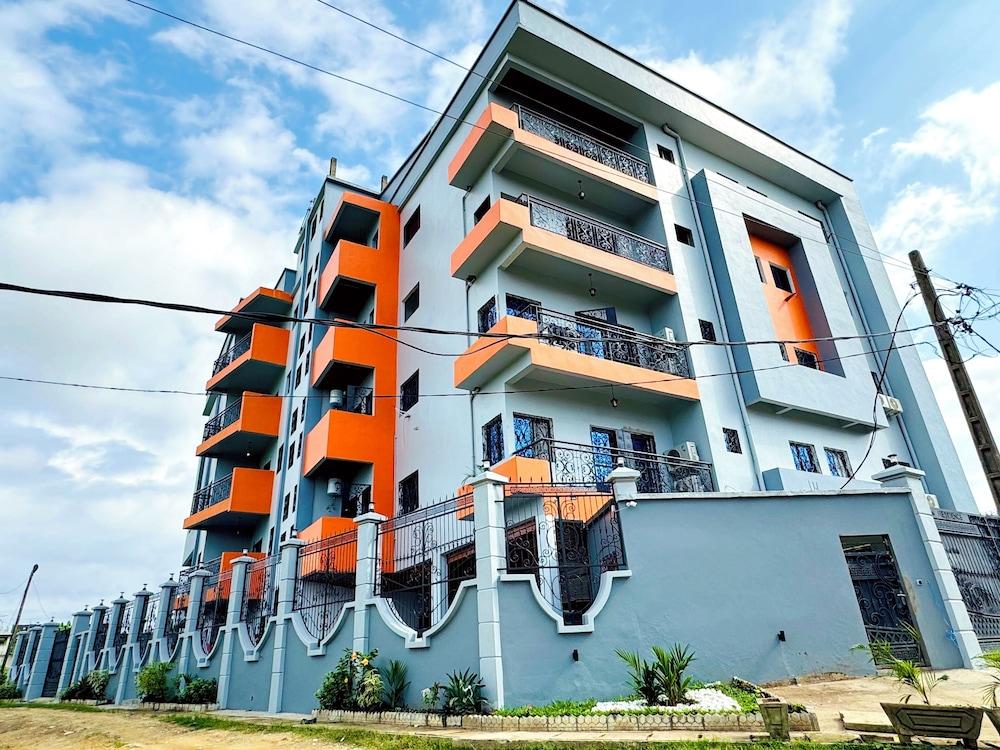
Cameroon’s real estate sector presents interesting opportunities for individuals, entrepreneurs and international investors looking to build long-term wealth. With growing urban populations, increasing demand for housing and expanding commercial activities, real estate investment in Cameroon continues to attract attention from both local and diaspora investors.
From residential apartments in Douala and Yaoundé to commercial properties, rental developments and strategically located land, the market offers several investment possibilities. However, investing in property requires careful planning, proper legal verification and a clear understanding of the risks involved.
Whether you are considering purchasing your first rental property, developing residential apartments or investing in land, understanding the opportunities and challenges of the Cameroonian property market is essential.
In this guide, Royal Property Group explores the major real estate investment opportunities in Cameroon, the risks investors should understand and practical steps for making informed property decisions.
Understanding the Real Estate Market in Cameroon
Cameroon has a growing urban population, with major economic and administrative centres attracting people in search of employment, education, business opportunities and improved living conditions.
Cities such as Douala, Yaoundé, Bafoussam, Bamenda, Limbe and Kribi continue to offer different property investment possibilities depending on location, infrastructure, economic activity and demand.
According to the Centre for Affordable Housing Finance in Africa, Cameroon faces a substantial housing shortage, with estimates of approximately 1.8 to 2 million housing units. This highlights the need for additional housing development and better access to quality accommodation.
Urban growth and housing demand create opportunities for investors who understand local market conditions and select properties carefully.
Major Real Estate Investment Opportunities in Cameroon
1. Residential Property Investment
Residential real estate is one of the most accessible entry points for property investors in Cameroon.
Investors can purchase or develop apartments, duplexes, studios and family houses for rental or resale purposes.
Areas with access to schools, hospitals, commercial centres, public transportation and other essential services may attract stronger tenant interest.
Rental properties can provide recurring income, while well-selected properties may also appreciate in value over time. However, rental performance depends on location, property condition, pricing and effective management.

2. Land Investment and Property Development
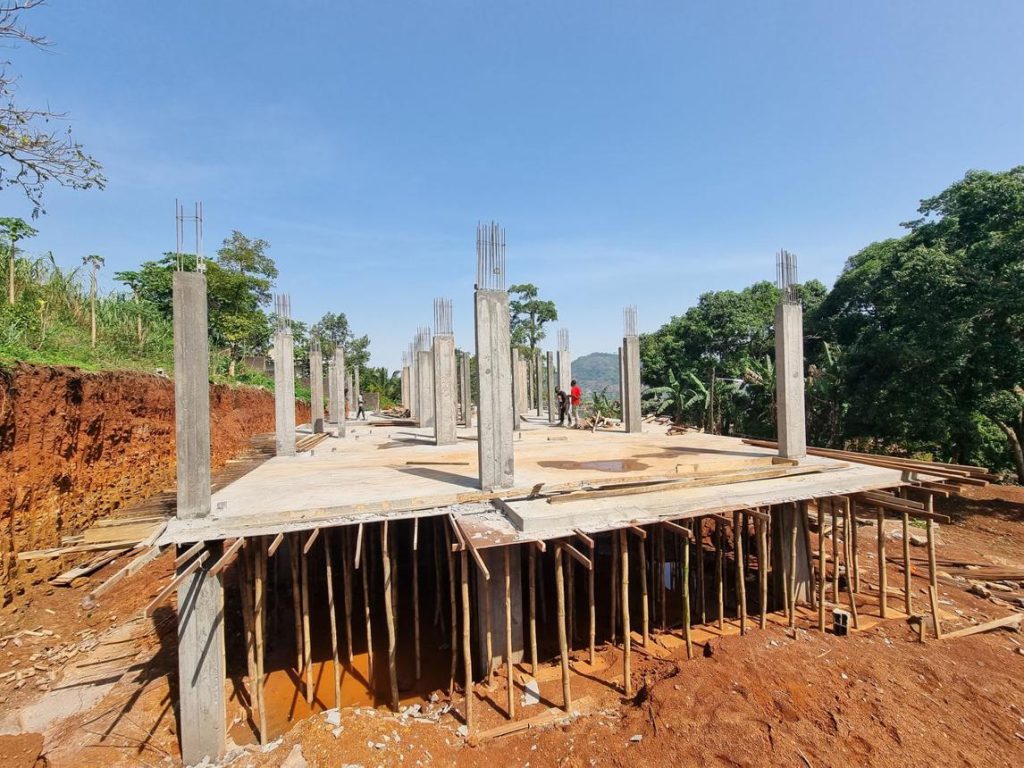
Land investment remains attractive to many Cameroonian investors, particularly those interested in long-term development.
Investors may acquire suitable land for future residential construction, commercial development or other permitted uses.
Locations experiencing infrastructure expansion and urban development may present opportunities, but investors should never assume that every undeveloped plot will increase in value.
Before purchasing land, verify its legal status, ownership, boundaries, accessibility, zoning and development restrictions.
3. Commercial Real Estate Investment
Cameroon’s commercial centres provide opportunities for investors interested in office buildings, retail spaces, warehouses and business premises.
Douala, as a major commercial and economic hub, offers opportunities connected to trade, logistics and business activities.
Yaoundé also presents opportunities through its administrative institutions, corporate offices, educational establishments and growing service sector.
Commercial property investors should assess business activity, accessibility, parking, security and the availability of suitable tenants before committing capital.
4. Short-Term and Furnished Rental Properties
Furnished apartments and short-term accommodation can serve professionals, business travellers, tourists and people visiting Cameroon temporarily.
Locations close to airports, business districts, hospitals and major commercial centres may attract this type of demand.
However, short-term rentals require more active management than traditional residential leases. Cleaning, maintenance, security, marketing, utilities and occupancy rates must all be considered when calculating profitability.
5. Property Investment for the Diaspora
Cameroonians living abroad often consider real estate as a way to establish assets, prepare for retirement or maintain a connection with their home country.
Buying land, constructing a family home or developing rental apartments can be worthwhile long-term objectives.
Nevertheless, distance creates additional challenges, including difficulty inspecting properties, verifying documents, monitoring construction and supervising representatives.
Diaspora investors should use independent legal professionals, reliable property managers and documented payment arrangements rather than depending exclusively on informal assurances.
The Risks of Real Estate Investment in Cameroon
Although the sector offers opportunities, property investment is not without challenges. Investors should understand the following risks before making financial commitments.
1. Land Fraud and Ownership Disputes
One of the most important risks in the Cameroonian property market is purchasing land without properly establishing its ownership and legal status.
Some buyers rely on informal agreements, family arrangements, handwritten receipts or documents that have not been independently verified.
This can lead to multiple claims over the same property, boundary disputes, fraudulent sales and lengthy legal proceedings.
How to reduce this risk:
- Verify the land title through the competent land administration services.
- Confirm the registered owner’s identity and authority to sell.
- Check the property’s boundaries and survey information.
- Investigate any mortgages, disputes or other registered interests.
- Engage a qualified legal professional before completing the transaction.
A land title should be independently verified. A photocopy or payment receipt alone is not sufficient evidence that a proposed transaction is safe.
2. Poor Location and Infrastructure
A property may appear affordable but offer limited investment potential because of its location.
Some areas lack reliable roads, electricity, water supply, drainage, security and access to essential services.
Poor infrastructure can affect tenant demand, construction costs, resale prospects and the overall attractiveness of a development.
Investors should assess both existing infrastructure and realistic future development prospects before purchasing.
3. Unpredictable Construction Costs
Construction projects can become more expensive than originally planned due to changing material prices, labour costs, transportation expenses, design modifications and project delays.
Without proper budgeting and supervision, investors may experience cost overruns that reduce or eliminate expected returns.
To manage this risk, prepare a detailed construction budget, obtain multiple quotations, use qualified professionals and maintain a contingency reserve.
4. Limited Rental Demand and Vacancy
Owning a rental property does not automatically guarantee consistent income.
A property may remain vacant because of unsuitable pricing, poor maintenance, inconvenient location or limited demand for its type of accommodation.
Investors should research comparable rental properties, identify their target tenants and estimate realistic occupancy levels before purchasing or developing a rental property.
5. Legal and Regulatory Challenges
Real estate transactions involve legal procedures, property registration, planning requirements, taxes and other administrative obligations.
Failure to understand the applicable requirements can delay projects, create additional costs or expose investors to legal disputes.
Investors should seek professional guidance on land registration, building permits, applicable taxes, property transfer procedures and any restrictions affecting the intended use of the property.
6. Property Management Challenges
Managing property from a distance or without proper systems can create problems.
Late rental payments, unauthorised occupation, neglected maintenance and disagreements with tenants can affect investment performance.
Professional property management, clear tenancy agreements, proper documentation and regular inspections can help reduce these challenges.
How to Invest in Real Estate in Cameroon Successfully
A successful property investment begins with research and preparation rather than simply finding an attractive property.
Consider the following steps:
1. Define Your Investment Objective
Determine whether you want rental income, long-term capital appreciation, land banking, commercial property or residential development. Your objective will influence the type of property and location you choose.
2. Establish a Realistic Budget
Calculate the purchase price, professional fees, registration expenses, taxes, construction costs, maintenance and other related expenses. Avoid committing your entire budget to the initial purchase.
3. Research the Location
Study the area’s infrastructure, accessibility, population growth, economic activities, security and property demand. Visit the location and assess its suitability for your intended investment.
4. Verify All Property Documents
Engage qualified professionals to examine the land title, ownership records, survey plans, seller’s authority and relevant transaction documents. Confirm the appropriate transfer and registration procedures.
5. Calculate Potential Returns
For rental investments, estimate annual rental income and subtract operating expenses, maintenance, taxes, insurance where applicable and periods of vacancy.
For example, if a property generates FCFA 3,600,000 in annual rental income and has FCFA 900,000 in annual operating expenses, its estimated net operating income is FCFA 2,700,000.
Compare this figure with the total investment cost to understand the property’s potential performance. This is an illustrative calculation, not a guaranteed return.
6. Work With Experienced Professionals
Real estate agents, property consultants, lawyers, surveyors, architects and property managers can help investors make better-informed decisions.
Choose professionals with relevant experience, verifiable credentials and clearly defined responsibilities.
Is Real Estate Investment in Cameroon Worth It?
Real estate investment in Cameroon can be worthwhile for investors who approach the market with a long-term perspective and a proper understanding of its opportunities and risks.
The demand for housing, commercial premises and improved accommodation creates possibilities for residential development, rental property ownership and strategic land acquisition.
However, the success of an investment depends on several factors, including the legal security of the property, location, acquisition price, development costs, market demand and quality of management.
Rather than investing based on speculation or pressure from sellers, investors should rely on verified information, professional advice and realistic financial projections.
The most successful investment decisions are often those supported by thorough research and careful execution.
Final Thoughts: Making Smarter Property Investment Decisions
Cameroon’s property market offers opportunities for individuals and businesses seeking to build sustainable real estate assets. From residential apartments and commercial buildings to land acquisition and property development, there are several ways to participate in the sector.
Nevertheless, opportunities must be balanced with proper due diligence, financial planning and professional guidance.
At Royal Property Group, we believe that informed decisions are the foundation of successful property ownership and investment. Whether you are a first-time buyer, an experienced investor or a Cameroonian living abroad, understanding the market is an important step towards achieving your property goals.
Are you considering investing in real estate in Cameroon? Connect with Royal Property Group for professional guidance and support as you explore property opportunities.
Frequently Asked Questions (FAQs)
Is real estate investment profitable in Cameroon?
Real estate investment can generate rental income and potential long-term capital appreciation. However, profitability depends on the location, acquisition cost, property condition, demand, expenses and management.
Which cities are best for real estate investment in Cameroon?
Douala and Yaoundé are major property markets because of their commercial and administrative activities. Other cities, including Bafoussam, Kribi, Limbe and Bamenda, may also offer opportunities depending on the investment objective and local market conditions.
Is buying land in Cameroon a good investment?
Buying land may be a suitable long-term investment when the property has a verified legal status, appropriate location, clear boundaries and realistic development potential. Investors should conduct thorough due diligence before making payment.
Can Cameroonians living abroad invest in property in Cameroon?
Yes. Cameroonians living abroad can explore property purchases, construction projects and rental investments. They should arrange independent document verification, legal representation and reliable property management.
What documents should I check before buying property in Cameroon?
Important documents and checks include the land title, seller’s identification and authority, survey plan, property boundaries, ownership records and any registered encumbrances. A qualified legal professional should advise on the documents and procedures required for the specific transaction.
What is the biggest risk of investing in real estate in Cameroon?
There is no single risk that applies to every investment. However, land ownership fraud and disputes, inadequate due diligence, poor location selection, construction cost overruns and weak property management are important risks to consider.
Disclaimer: This article provides general educational information and does not constitute legal, financial or investment advice. Property laws, procedures, taxes and individual circumstances may vary. Investors should obtain independent professional advice before entering into a property transaction.
Further Reading and Useful Resources
For investors who want to understand Cameroon’s property market better, the following resources provide useful information:
1. MINDCAF – Ministry of State Property, Surveys and Land Tenure: Learn more about land administration, land registration and property-related procedures in Cameroon.
2. Centre for Affordable Housing Finance in Africa: Explore housing market information, affordability challenges and developments in Cameroon’s housing sector.
3. World Bank – Cameroon: Access research and reports on infrastructure, economic development and investment conditions in Cameroon.
Making informed property decisions requires access to reliable information and professional guidance. Always verify property documents and seek qualified legal advice before completing a transaction.
For more insights, explore our guides on Buying Property in Cameroon, Property Investment in Cameroon, and Land Verification in Cameroon. For professional assistance with your property goals, contact Royal Property Group.