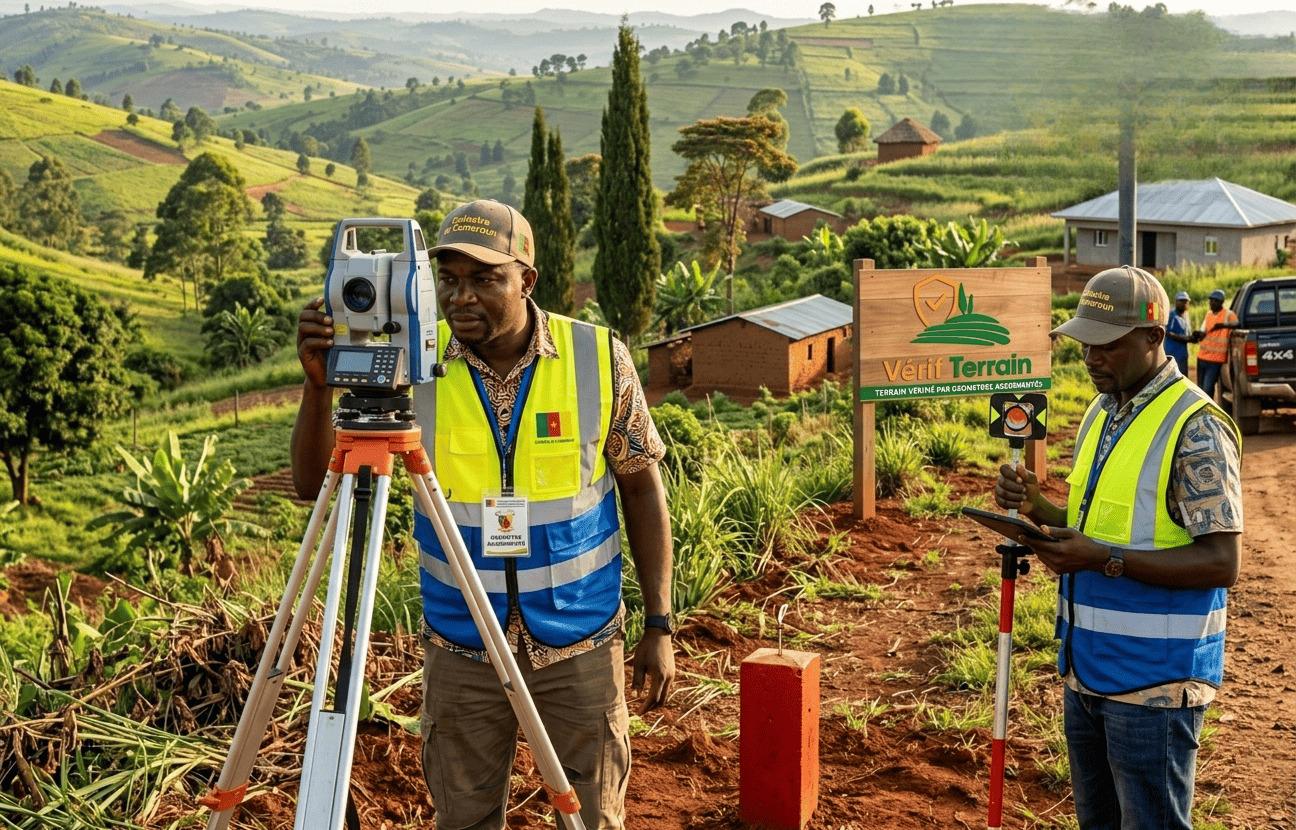
The Cameroon real estate market in 2026 continues to attract interest from homebuyers, property investors, entrepreneurs and Cameroonians living abroad. From residential properties in Douala and Yaoundé to developing neighbourhoods in Buea, Limbe and other growing towns, real estate remains an important consideration for people seeking a home, rental income or long-term investment opportunities.
However, buying property is not simply about finding an attractive house or a plot of land at an affordable price. Buyers must consider legal documentation, location, infrastructure, affordability and the potential demand for the property.
A market analysis published by The Africanvestor on September 21, 2026, examines property prices, rental demand, investment considerations and the risks associated with property transactions in Cameroon. The analysis also acknowledges that some market figures are estimates because Cameroon does not have a comprehensive official register of residential property sales.
For prospective investors, this highlights an important principle: understanding the specific property is just as important as understanding the wider market.
Source: The Africanvestor — Cameroon Real Estate Market Analysis 2026.
1. Understanding Cameroon’s Real Estate Market in 2026
Cameroon’s property market includes residential homes, apartments, commercial buildings, undeveloped land and properties intended for rental or business use.
Demand varies according to location, infrastructure, employment opportunities and the needs of local residents. Major cities attract people seeking access to jobs, education, healthcare, transportation and commercial services.
For investors, the objective should not simply be to buy property because prices might increase. Instead, they should determine whether a property is fairly priced, legally secure and suitable for its intended purpose.
Before purchasing, consider:
- The availability of comparable properties in the same neighbourhood.
- The likely demand for rental accommodation or resale.
- Access to roads, water, electricity and other essential services.
- The property’s legal status and ownership history.
- The total cost of purchasing, maintaining and managing the property.
These factors help buyers evaluate individual opportunities rather than relying on general predictions about the market.
2. Property Investment Opportunities Across Cameroon
Different locations offer different possibilities. Investors should match their objectives and budgets with the characteristics of the area they are considering.
Douala: Commercial and Residential Property
As a major commercial centre, Douala attracts businesses, professionals and households seeking proximity to employment and commercial services.
Potential investment options include rental apartments, family homes, shops, offices and warehouses. However, buyers should examine traffic conditions, drainage, access roads, infrastructure and comparable property prices before making a commitment.
Yaoundé: Residential and Commercial Demand
Yaoundé’s administrative institutions, businesses, universities and other services create demand for different types of accommodation.
Depending on the neighbourhood, investors may consider family housing, rental apartments and commercial property. Actual rental demand and achievable rents should be checked locally rather than assumed.
Buea and Limbe: Housing and Lifestyle Opportunities
Buea and Limbe attract residents, students, professionals, entrepreneurs and people seeking property in Cameroon’s Southwest Region.
The suitability of a property depends on its precise location, accessibility, infrastructure and intended use. Buyers should also investigate local environmental conditions and any relevant development restrictions.
Emerging Neighbourhoods
Developing areas may attract buyers seeking land or homes at prices below those of more established neighbourhoods.
Nevertheless, projected roads, commercial developments and future infrastructure should not be treated as guaranteed sources of profit. Buyers should assess the area’s present condition and verify any announced development projects before factoring them into an investment decision.
3. Land Documentation: What Buyers Must Verify
Land documentation is one of the most important considerations when purchasing property in Cameroon.
The Ministry of State Property, Surveys and Land Tenure (MINDCAF) publishes official guidance on land registration and land certificates. Its official FAQ explains aspects of land certification, including circumstances in which a certificate may be invalidated.
Before paying for land or a building, take the following precautions:
- Request the relevant ownership documents. Ask the seller to provide the land title and other documents relating to the property.
- Verify the documents independently. Consult the appropriate land registry or competent land administration authority to confirm the property’s status and registered ownership.
- Confirm the boundaries. Ensure the physical plot corresponds with the available cadastral information and property documents.
- Investigate possible disputes. Ask about competing claims, mortgages, restrictions or other matters that could affect the transaction.
- Use qualified professionals. A qualified notary, lawyer or relevant surveying professional can help assess the documents and transaction requirements.
Do not rely solely on a seller’s assurances, photographs, informal agreements or a document that has not been independently verified.
Even where a property appears legitimate, proper due diligence is essential before transferring money or signing a binding agreement.
Official resource: MINDCAF — Public Documents and Land Administration Resources.
4. How to Evaluate a Property Before Investing
A good investment decision requires more than an attractive purchase price.
Location and accessibility
Assess the property’s distance from employment centres, schools, markets, healthcare facilities and transport routes. Check road access and the availability of essential utilities.
Rental demand
If you intend to rent out the property, investigate comparable rental listings, actual achievable rents, vacancy periods and the type of tenants likely to be interested.
Total acquisition cost
Include the purchase price, applicable taxes and fees, professional services, repairs, renovation expenses and any necessary infrastructure improvements.
Maintenance and management
Consider security, routine maintenance, property management and unexpected repair costs. These expenses can materially affect the return on an investment.
Resale potential
Consider whether the property would appeal to other buyers in the future. Legal uncertainty, poor access and limited demand can make a property difficult to resell.
Investors should compare realistic expected income and expenses before deciding whether an opportunity is financially worthwhile.
5. Common Property Investment Mistakes to Avoid
Property buyers can expose themselves to unnecessary risks by rushing into transactions.
Here are six mistakes to avoid:
- Paying a deposit before independently checking ownership documents.
- Purchasing land based on unverified promises of future development.
- Ignoring drainage, flooding risks, road access and utilities.
- Underestimating transaction costs, taxes and ongoing maintenance.
- Assuming property prices will always rise.
- Investing without a clear objective or realistic financial plan.
Taking time to investigate a property may feel slower, but it can help prevent costly mistakes.
6. Property Investment for Cameroonians in the Diaspora
For Cameroonians living abroad, property ownership back home can be an appealing long-term goal. However, managing a purchase from a distance requires additional care.
Buyers should arrange independent property inspections, verify ownership through the relevant authorities and ensure payments are properly documented.
It is also important to confirm that the person negotiating or selling the property has the legal authority to do so. Family relationships, personal recommendations and social media advertisements should not replace independent verification.
Where possible, engage qualified local professionals who can provide clear documentation and transparent updates throughout the transaction.
Keep copies of contracts, receipts, verification records and all other relevant documents.
7. Is 2026 a Good Time to Invest in Cameroon Real Estate?
There is no universal answer. The right decision depends on the buyer’s financial position, the property’s legal status, its purchase price, local demand and the investor’s long-term objectives.
A property with verified documentation, a realistic price and strong evidence of demand may be worth considering. An overpriced property or one with unresolved legal issues may be a poor investment regardless of wider market conditions.
Rather than attempting to predict exactly where the market will go, buyers should focus on understanding the property, checking the evidence and making decisions that fit their financial circumstances.
Conclusion: Make Informed Property Decisions in Cameroon
The Cameroon real estate market in 2026 offers a range of possibilities for people seeking homes, rental income, commercial space or long-term property ownership. However, opportunities should always be assessed alongside the risks.
Researching neighbourhoods, verifying land documentation, evaluating total costs and understanding local demand can help buyers make more informed decisions.
Whether you are purchasing your first home, expanding a property portfolio or planning an investment from abroad, preparation and professional guidance can make a meaningful difference.
Looking to Buy, Sell or Invest in Property?
At Royal Property Group, we believe informed decisions are the foundation of successful property ownership. Whether you are exploring land, residential property or investment opportunities, we encourage buyers and investors to approach each transaction with care, clarity and confidence.
Contact Royal Property Group today to discuss your property needs and explore opportunities that align with your goals.
- Website: https://royalpropertygroup.org
- Email: info@royalpropertygroup.org
- Phone/WhatsApp: +237 6 78181839
Disclaimer: This article is for general educational purposes only and does not constitute legal, financial or tax advice. Market conditions vary by location, and prospective buyers should obtain independent professional advice and verify all relevant information before completing a transaction.